Insight · Freight terms · Vietnam
Freight prepaid means the shipper pays the ocean freight at origin; freight collect means the consignee pays it at destination before the carrier releases the cargo. In Vietnam, the choice also changes the THC some carriers bill, the customs value you declare and who gets stuck when nobody pays.
Written by our customs and operations desk in Ho Chi Minh City. · Jump to the comparison table
Short answer first. If you sell CFR or CIF out of Vietnam, or buy CFR or CIF into Vietnam, the bill of lading should read freight prepaid. If you buy FOB or FCA and book your own forwarder, it should read freight collect. Below we cover the part most guides skip: what each term costs and risks at a Vietnamese port.
Freight prepaid means the ocean freight is paid at the port of loading, usually by the shipper, before the carrier or forwarder issues the original bill of lading. The B/L is stamped “FREIGHT PREPAID”. The consignee pays no ocean freight at destination.
Freight collect means the ocean freight is paid at the port of discharge by the consignee. The B/L is stamped “FREIGHT COLLECT”. The carrier will not issue the delivery order (D/O) until the freight and local charges are paid.
Air freight uses the same idea with different labels. On an air waybill the charges box is marked PPD (prepaid) or COLL (collect). Everything in this guide about who pays and when applies to both.
| Point | Freight prepaid | Freight collect |
|---|---|---|
| Who pays ocean freight | Shipper (seller) | Consignee (buyer) |
| Where and when | Port of loading, before the original B/L is issued | Port of discharge, before the D/O is released |
| Wording on the B/L | FREIGHT PREPAID | FREIGHT COLLECT |
| Air waybill code | PPD | COLL |
| Usual Incoterms | CFR, CIF, CPT, CIP, DAP, DPU, DDP | EXW, FCA, FAS, FOB |
| Who picks the carrier | Usually the seller | Usually the buyer or its forwarder |
| Main risk | Seller funds freight before it gets paid for the goods | Cargo sits at the port, earning storage and demurrage, until someone pays |
| Customs value on import to Vietnam | Freight is already inside a CIF invoice value | Freight must be added to an FOB or FCA invoice value |
The table is a rule of thumb, not a law. The sales contract and the booking decide the wording; Incoterms only decide who carries the cost.
Under Incoterms 2020 (ICC), the party that contracts the main carriage normally pays it. That gives a simple split for most shipments to and from Vietnam.
The common mistake we see in Vietnam is a CIF or CFR sales contract with a B/L draft marked freight collect. The buyer then gets a freight bill at Cat Lai or Hai Phong for freight that was already in the price of the goods. Catch it at the draft stage, not at the D/O counter.
Neither freight term moves the local charges. At a Vietnamese port of discharge, the consignee pays the import side: THC, D/O fee, CIC where the line charges it, cleaning and any storage. At a Vietnamese port of loading, the shipper pays export THC, the B/L fee, seal and similar items.
Every line publishes its own list and amounts. Our Vietnam local charges by carrier hub keeps the published tariffs for 16+ lines in one place, in VND and USD.
Most guides say local charges are the same whatever the freight term. That is not always true in Vietnam. Evergreen’s published Vietnam tariff lists THC separately for freight prepaid and freight collect. These are the dry-container figures as we checked them on 02 Oct 2026, in VND excluding VAT, for all Vietnam ports.
| Evergreen THC, dry (DC/HC) | 20′ | 40′ | 45′ |
|---|---|---|---|
| Import, collect | 3,375,000 | 5,200,000 | 6,140,000 |
| Import, prepaid | 3,540,000 | 5,420,000 | 6,415,000 |
| Export, prepaid | 3,375,000 | 5,200,000 | 6,140,000 |
| Export, collect | 3,540,000 | 5,420,000 | 6,415,000 |
Read the pattern: when the freight is paid in Vietnam (export prepaid, import collect), the THC is the lower figure. On a 40′ dry import, freight prepaid costs the consignee 220,000 VND more THC than freight collect. Small per box, but it adds up on a 50-container contract.
The same tariff splits the container imbalance charge (CIC) at Ho Chi Minh City by freight term. For a 40′ from intra-Asia (excluding Japan) it is USD 95 when the freight is collect and USD 100 when it is not. Full tables, including reefer and OT/FR rates, are on our Evergreen local charges page. Check the other lines before you assume the rule is the same.
Send the B/L draft or arrival notice and the Incoterm. We tell you which charges fall on which side in Vietnam and quote the destination side within 2 working hours.
Vietnam Customs values imports including the international freight and insurance cost to the first port of import. On a CIF invoice those costs are already inside the price. On an FOB or FCA invoice with a freight collect B/L, they are not, so they must be added to the declared value.
The freight figure normally comes from the arrival notice or the forwarder’s freight invoice; insurance is added when the buyer actually insured the cargo. We see draft declarations with freight left at zero on FOB imports more often than we would like; the duty and VAT then come out too low, and the importer carries the risk at post-clearance audit.
Our customs clearance in Vietnam guide covers the declaration steps; for machinery, see importing machinery into Vietnam.
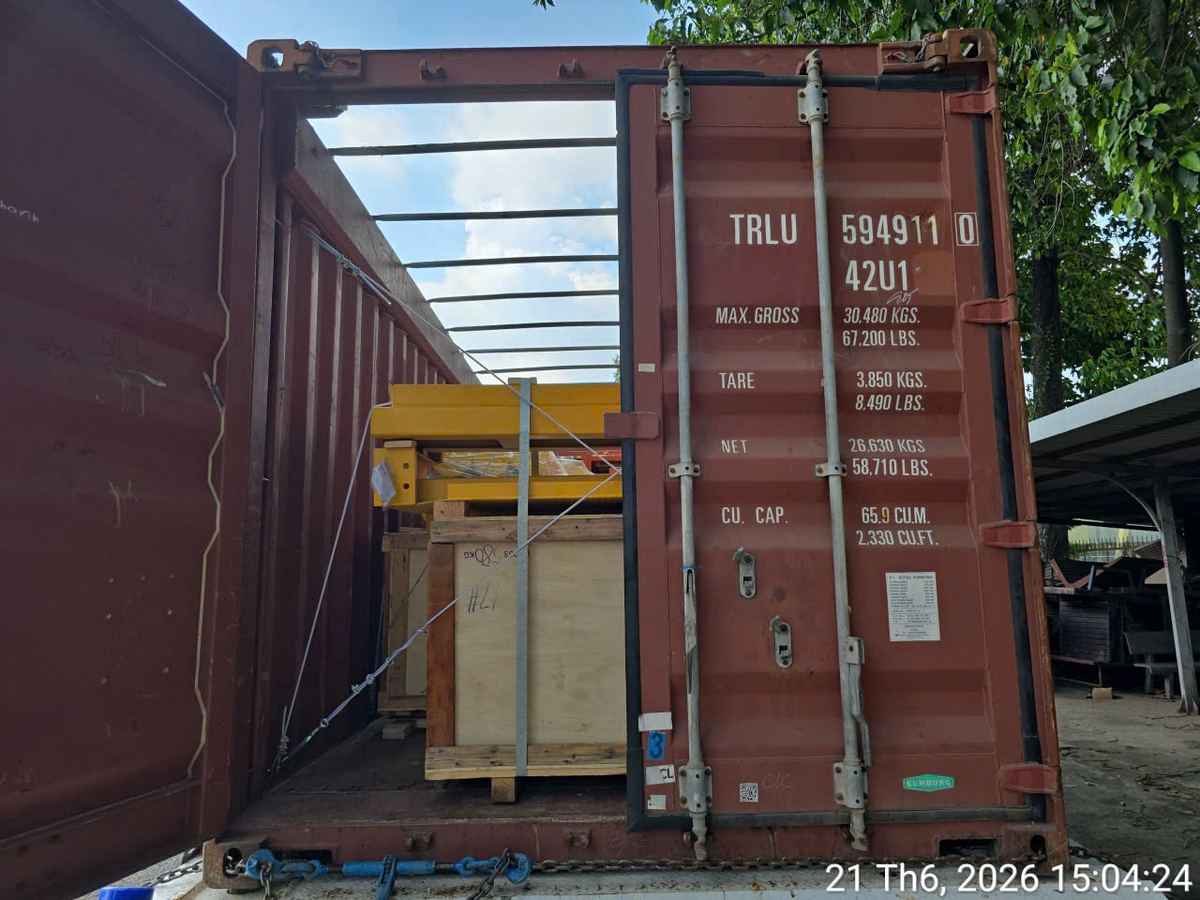
With a collect B/L, the carrier keeps control until the money arrives. No payment, no D/O, no gate-out. Meanwhile the free time runs down and the container starts earning port storage and demurrage, then detention once it leaves.
Prepaid freight moves the risk the other way. The seller has paid the freight, but still controls the cargo through the original B/L until the buyer pays for the goods. That is why sellers on L/C or CAD terms usually prefer freight prepaid.
Free time and daily rates differ by line; compare them on our Vietnam demurrage and detention table before you agree collect terms with a buyer who pays slowly.
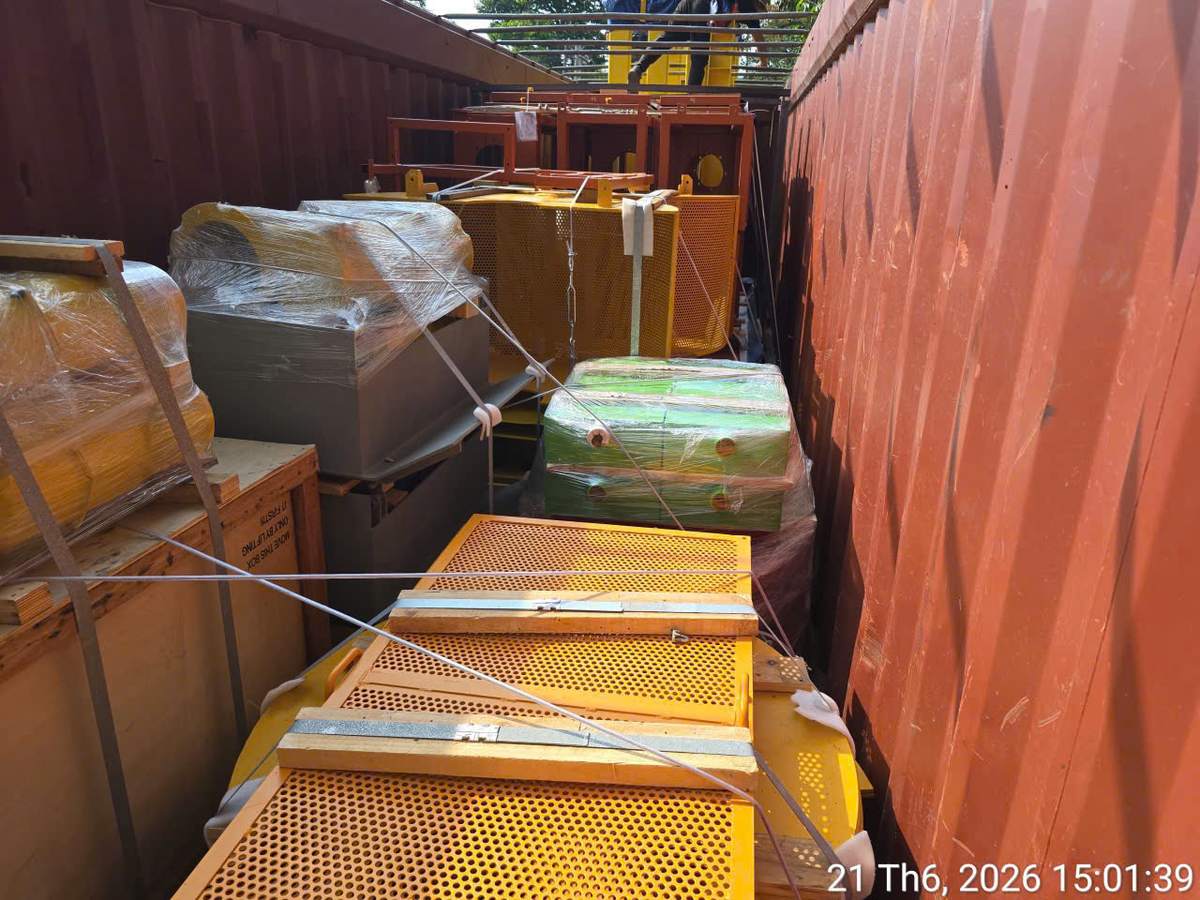
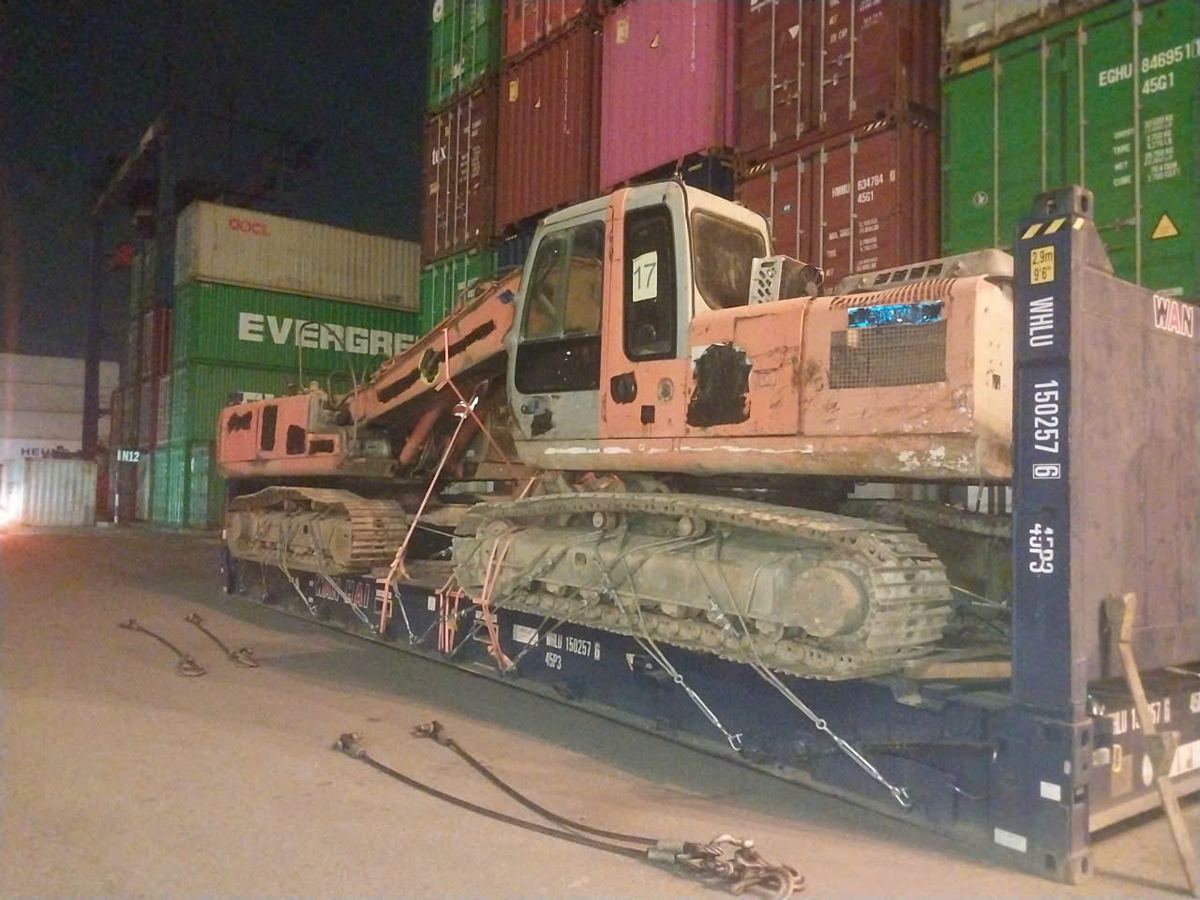
The photo above is from a different import lot (June 2026); it shows the same kind of crated parts cargo. The lesson from this case is simple. Prepaid freight on a CIF set is the clean combination, but you still read every document, because the freight line is not the only field that can disagree.
There is no single right answer. The better term is the one that puts freight control with the party that has the better rate and the better hold on the cargo.
| Your situation | Usually better | Why |
|---|---|---|
| Vietnamese exporter with a contract rate from a carrier or forwarder | Prepaid (sell CFR/CIF) | You control the booking and the sailing, and earn on your rate |
| Vietnamese exporter selling on L/C | Freight prepaid | L/Cs on CFR or CIF terms usually call for a B/L marked freight prepaid |
| Vietnamese importer with its own forwarder in Vietnam | Collect (buy FOB/FCA) | Your forwarder books, tracks and quotes the whole route |
| Buyer in a market where paying freight abroad is slow | Freight prepaid | The seller pays at origin; the buyer only handles local charges |
| Project or OOG cargo needing special equipment | The side with the stronger project forwarder | Flat rack and open top space, lashing and port handling matter more than a small rate gap |
| Consignee with weak cash flow | Avoid collect | Unpaid freight blocks the D/O while demurrage runs |
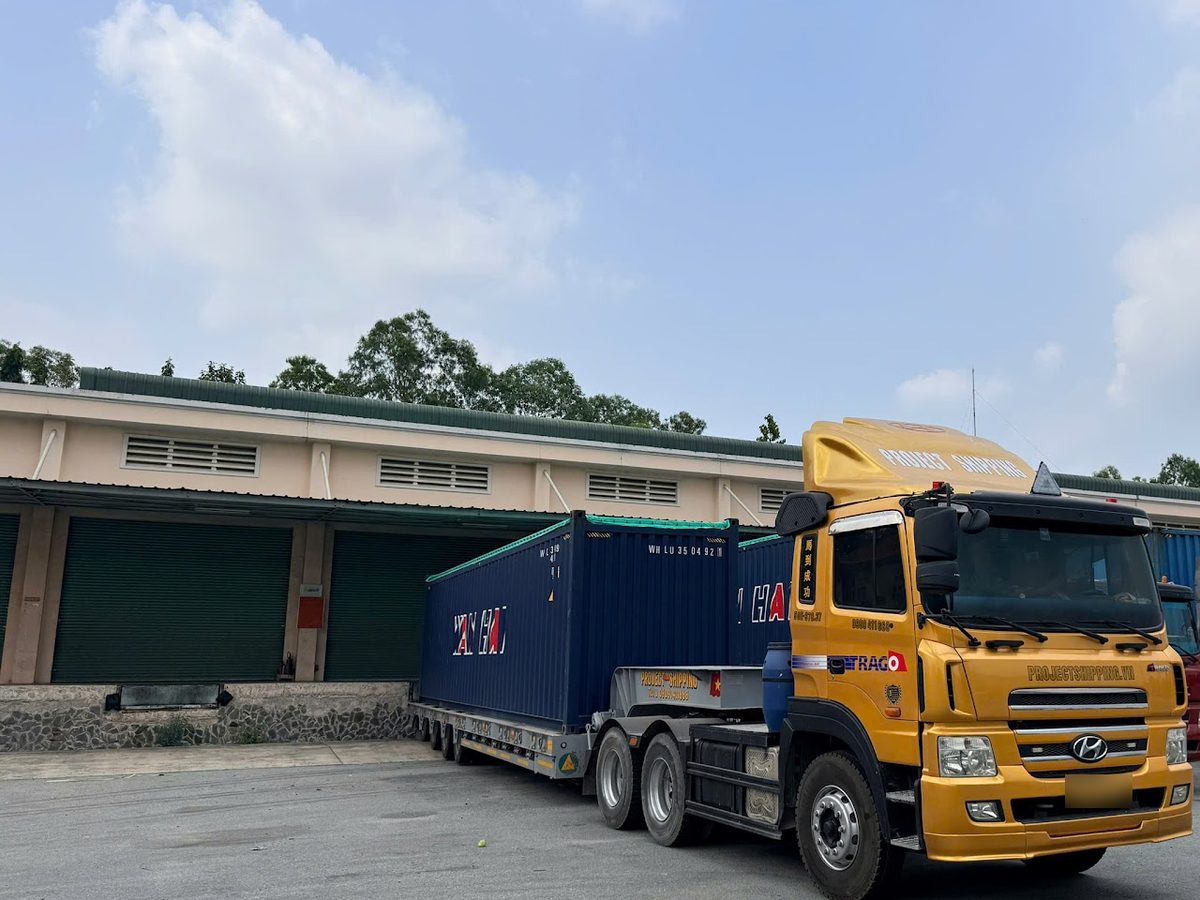
For agents shipping freight collect into Vietnam: as your destination agent we handle the D/O, customs and trucking for your consignee, with photos at each step. We never contact your customer for any other business. More on how we work with overseas partners: for agents.
Declaration steps, documents and our licensed customs desk.
Customs guide →Tony Tuan, CEO: WhatsApp +84 909 411 668 · ceo@projectshipping.vn
Nura Tu, Overseas Department: WhatsApp +84 906 770 650 · overseas@projectshipping.vn
Calling from Vietnam: 0909 411 668
Last updated: November 2026 · By Tony Tuan, CEO, Project Shipping





© 2017 – 2026 Project Shipping. Design by Thiết kế Web DC