Vietnam → USA · FCL · Flat rack · Open top · Breakbulk
Origin handling for shipping from Vietnam to USA ports: trucking, export customs, OOG acceptance and loading at Cai Mep, Cat Lai or Hai Phong. You keep the US side and the customer.
For US forwarders, freight agents and buyers sourcing heavy or oversized goods from Vietnam. · Document checklist
Most guides on shipping from Vietnam to USA ports stop at a 40′ box of furniture or garments. That part is simple.
The trouble starts when the cargo is 3.1 m wide, 4.7 m tall or 18 m long. Then the rate on the screen means little until someone has the OOG acceptance, the road permit and a truck that fits under the bridges on the way to the port.
This page covers the Vietnam side of that job: which equipment to book, which port to load at, what documents the US side needs from origin, and where shipments usually lose a week. Below you will also find a real export of LNG ducting that we trucked for a US project.
Pick the mode from the size of each piece, not from the total volume. One oversized crate can push a whole order from standard boxes onto flat racks or a breakbulk vessel.
| Cargo | Equipment | What decides it |
|---|---|---|
| Furniture, garments, general goods | 20′ / 40′ / 40′ HC dry FCL (45′ HC on some US services) | Volume and weight per box; fits inside the gauge |
| Machines too tall for a box | 40′ open top | Too tall for a high-cube box; loaded by crane from above |
| Wide or heavy units | 20′ / 40′ flat rack | Width over the box, side loading, or weight concentrated on a small footprint |
| Pieces longer than a 40′ rack | Breakbulk, or several racks combined | Length, total weight per piece, crane reach at the port |
| Rolling equipment | Ro-Ro vessel | Self-propelled or towable units; fewer US direct sailings |
For box sizes see our guide to flat rack container dimensions and the open top container. If a piece is too big for any rack, read what breakbulk cargo means before you ask for a vessel.
Vietnam has three main gateways for shipping from Vietnam to USA ports. Deep-sea transpacific services call at Cai Mep–Thi Vai in the south. Cat Lai in Ho Chi Minh City and Hai Phong in the north connect mostly through transshipment hubs or feeder links.
| Vietnam port | Best for | US gateways usually served | Indicative port-to-port time |
|---|---|---|---|
| Cai Mep–Thi Vai (VNCMT) | Direct transpacific sailings, special equipment, breakbulk | Los Angeles / Long Beach, Oakland, Seattle / Tacoma; East and Gulf Coast via Panama or Suez | About 3–4 weeks to the West Coast; 5–7 weeks to the East and Gulf Coasts |
| Cat Lai (Ho Chi Minh City) | FCL from Binh Duong, Dong Nai, Long An | Mostly via transshipment in Asia | Add the feeder leg and transshipment time |
| Hai Phong (incl. Lach Huyen) | Factories in northern Vietnam | Direct and transshipment services | Similar ranges, depending on the service |
Transit times change with each service and season, so treat the table as a range, not a promise. For example, a seasonal Maersk loop linking Cai Mep, Busan and Long Beach made its first call at Cai Mep in June 2026. We check the actual sailing and cut-off before we quote.
Terminal by terminal details, including which ones handle flat racks and breakbulk, are in our Cai Mep port guide and the wider Vietnam ports guide.
For flat rack, open top and breakbulk we include the equipment choice and what the line needs for OOG acceptance. Ocean options to the USA follow once the line confirms.
Flat racks and open tops are the usual answer for machinery, steel structures and tanks going to the US. They are also where most delays start, because each line approves OOG cargo case by case and the Vietnamese road leg needs its own permit.
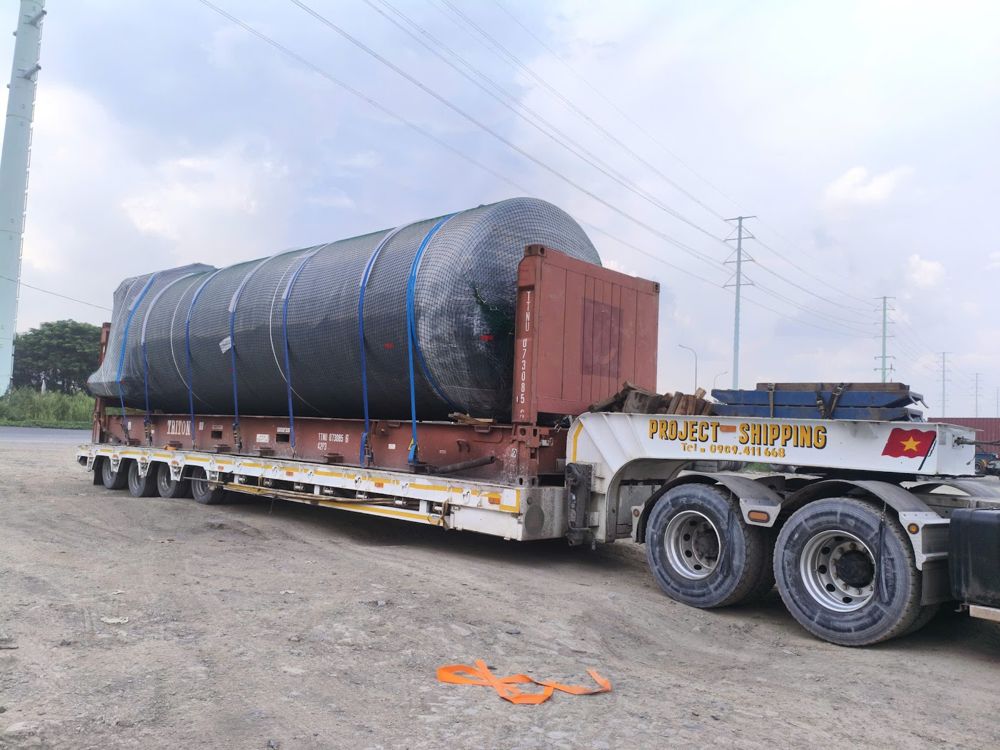
In Vietnam the permit rule looks at the loaded truck. A vehicle with its load wider than 2.5 m, taller than 4.2 m (4.35 m for container vehicles), longer than 20 m or heavier than 48 t needs an oversize permit under Circular 12/2025/TT-BXD.
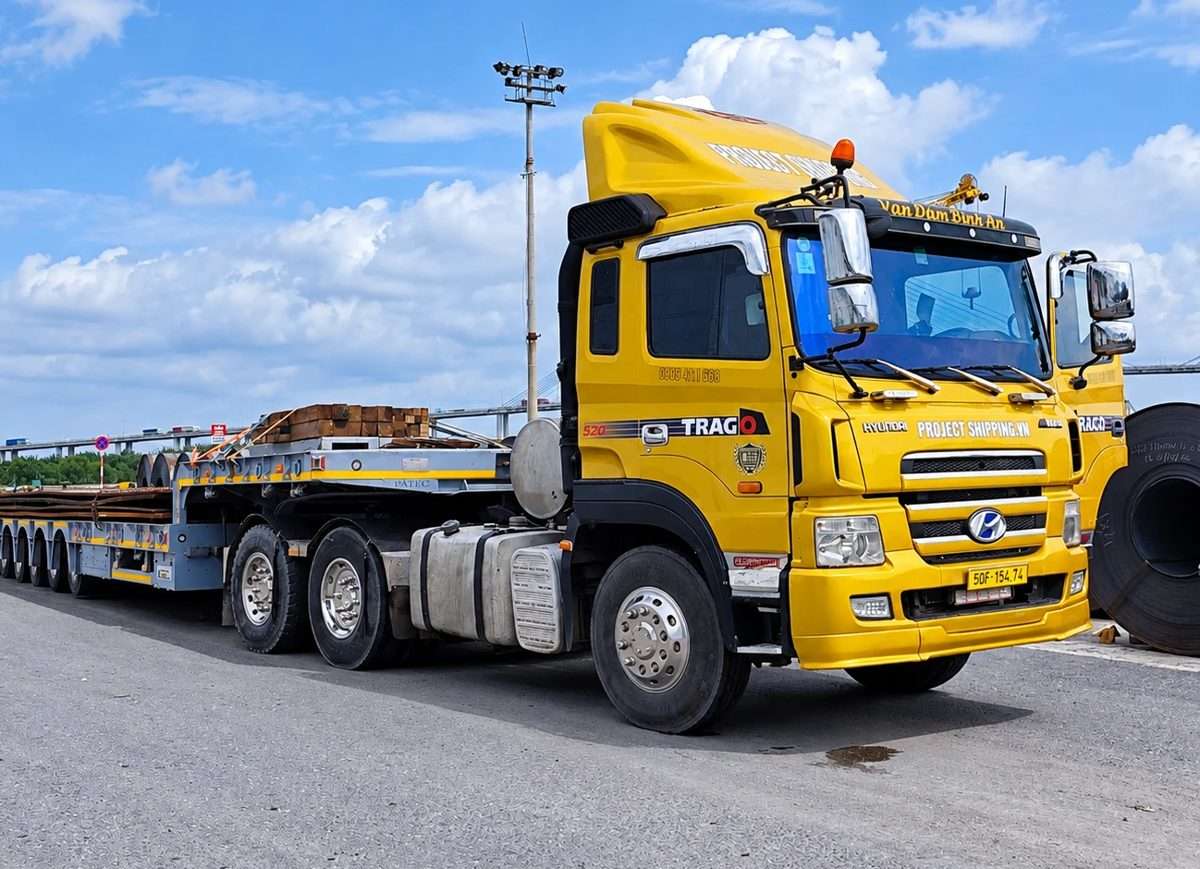
Our own trucks already hold a permit for over-width flat racks of about 3.3 m. That covers the most common OOG width with no permit wait. Wider or heavier units need a route survey and a specific permit: plan 3–5 working days on a known route.
More on equipment and acceptance rules on our OOG cargo in Vietnam page.
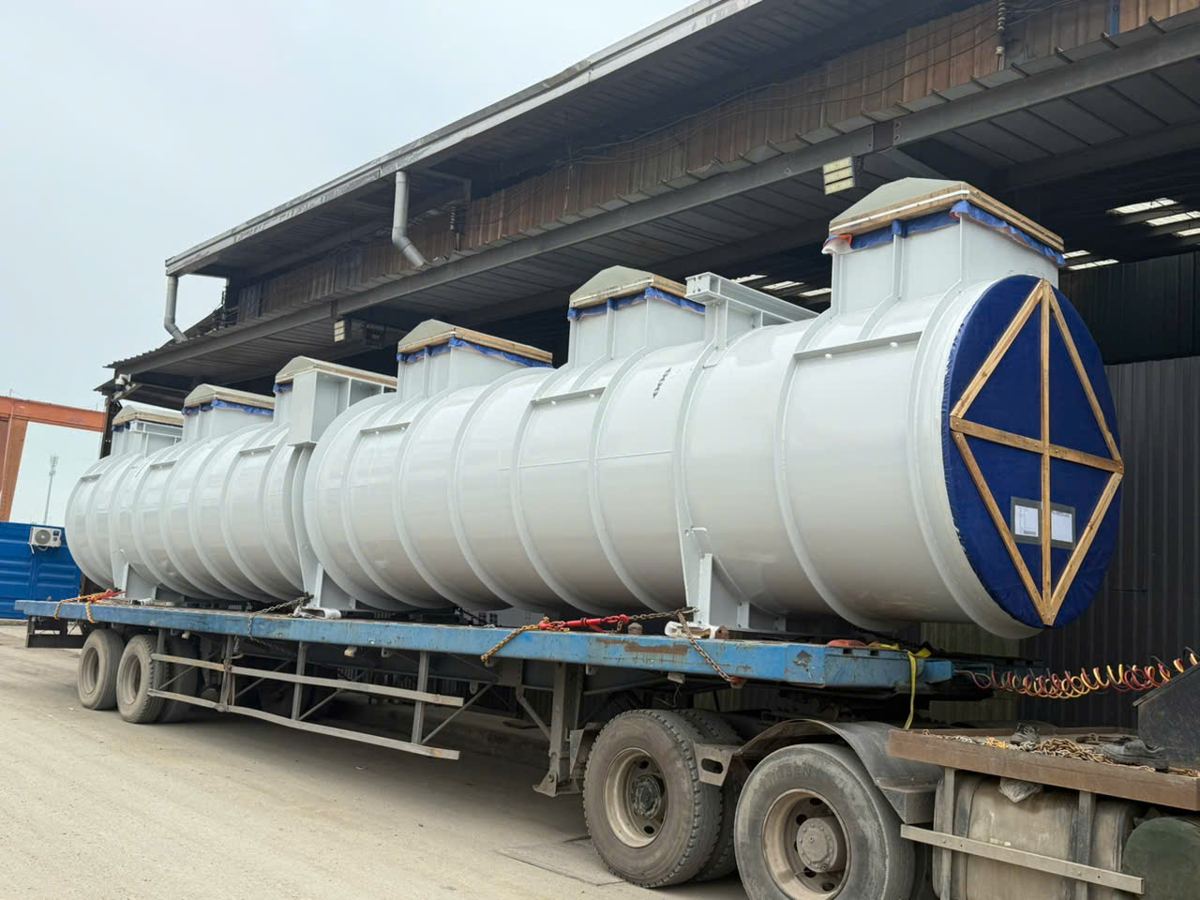
In October and November 2025 we moved several lots of large steel ducting for an LNG project in the United States. The sections were made at a fabrication yard in Ho Chi Minh City and discharged at Houston.
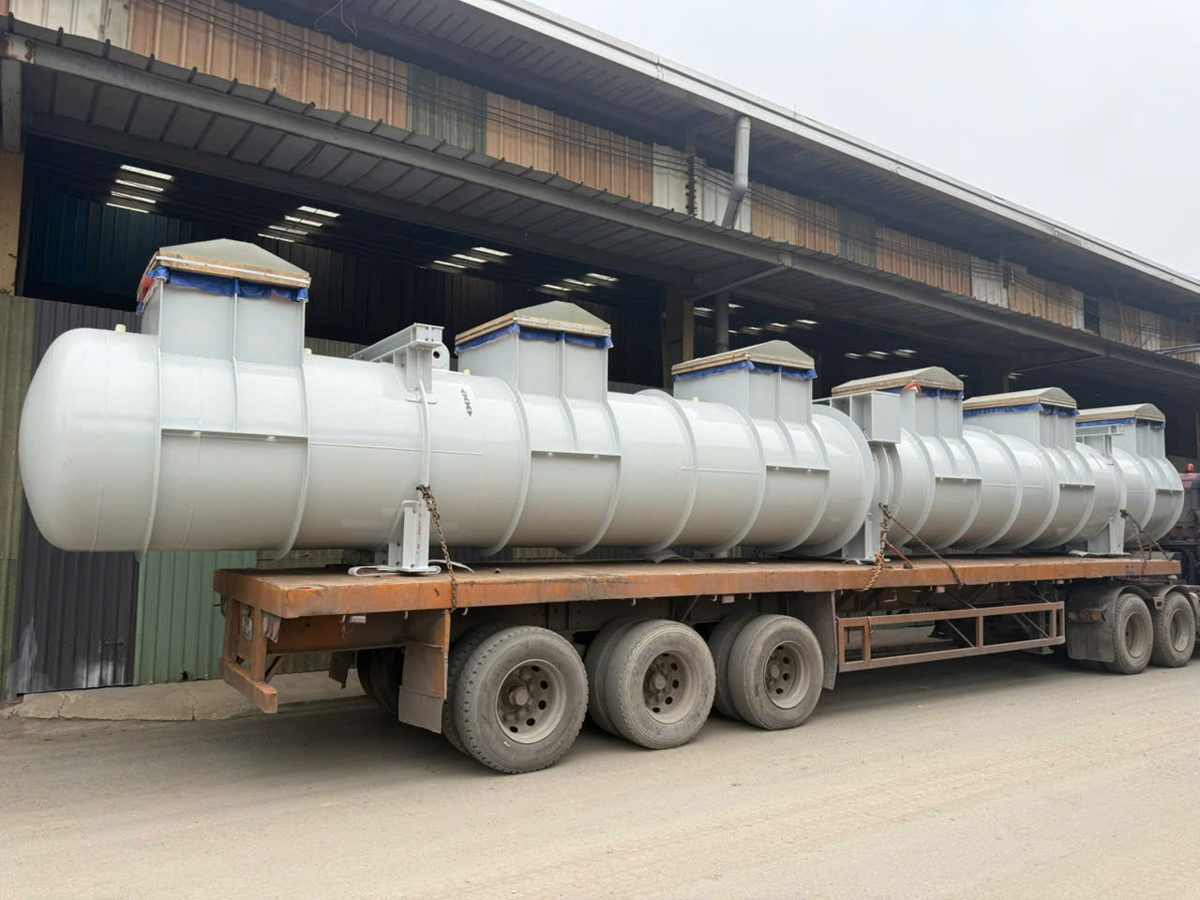
No container takes an 18.6 m piece, so the sections shipped as breakbulk, which is common when shipping from Vietnam to USA project sites. The hard part was not the sea leg. It was getting every package to the quay in the right order, on trucks that matched the vessel’s loading sequence.
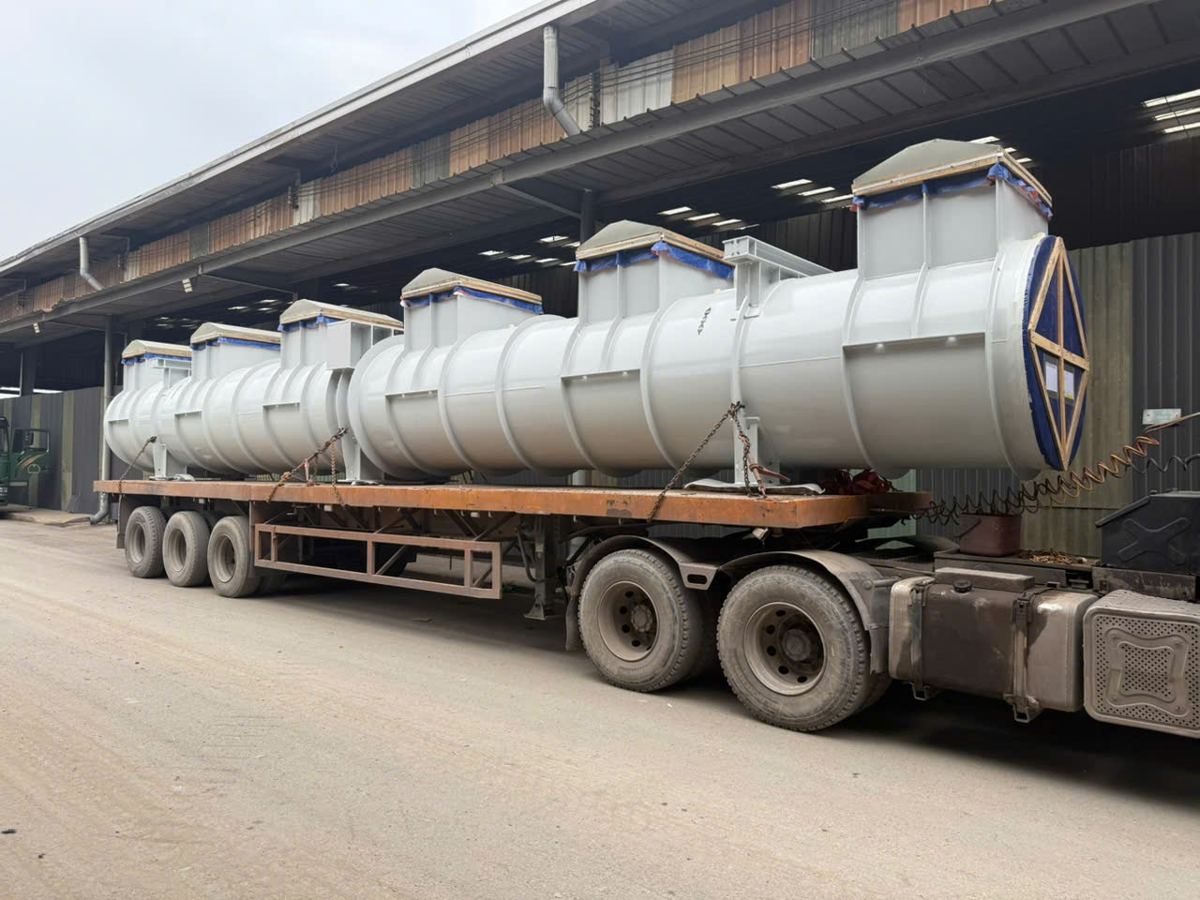
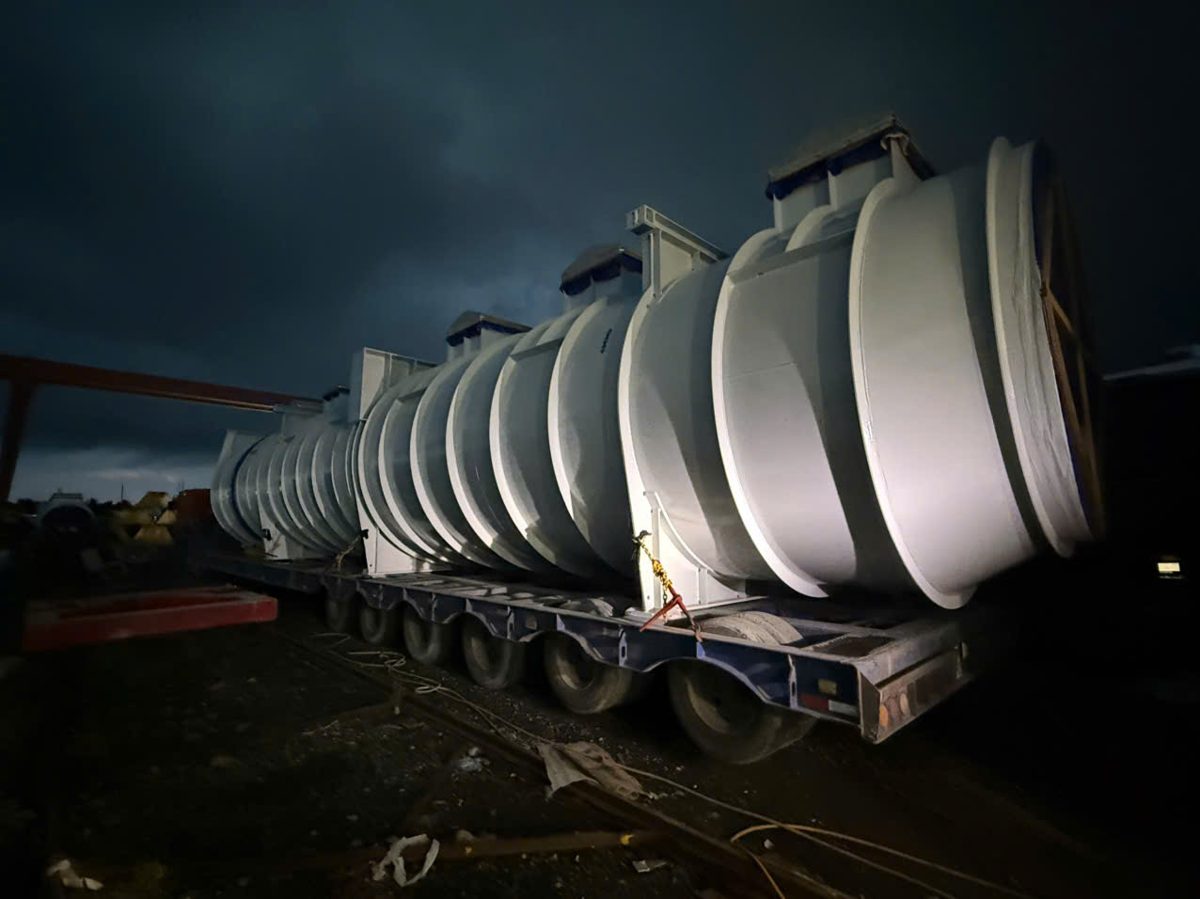
The same lots appear on our breakbulk and heavy lift page, with photos of the quay crane loading.
US Customs looks at the import side, but much of the file for shipping from Vietnam to USA is built from origin documents. If these do not match, the US broker finds out first and the cargo waits at the US port.
| Document | Who issues it | Why it matters for the US side |
|---|---|---|
| Commercial invoice | Seller in Vietnam | Basis of the US entry value; description must match the HTS code used by the broker |
| Packing list | Seller | Piece count, weights and dimensions; must match the B/L and the OOG acceptance |
| Vietnam export declaration | Exporter, filed through a customs agent | Cargo cannot be loaded without clearance; we file it as a licensed customs agent |
| Bill of lading | Carrier or forwarder | Shipper, consignee and notify party must be right before the vessel sails |
| ISF data (10+2) | US importer or its agent, with data from origin | Seller, manufacturer, stuffing location and consolidator details come from Vietnam |
| Certificate of origin | Ministry of Industry and Trade system | No US–Vietnam free trade agreement; some buyers still ask for a non-preferential C/O to support origin |
| Fumigation / ISPM 15 mark | Packing supplier | Wooden crates and skids need the ISPM 15 heat-treatment mark, or they can be refused |
| Lashing certificate, photos | Us, for OOG and breakbulk | Proof of securing for the line and for any cargo claim |
The general Vietnam export steps, HS codes and C/O forms by market are in our export from Vietnam guide.
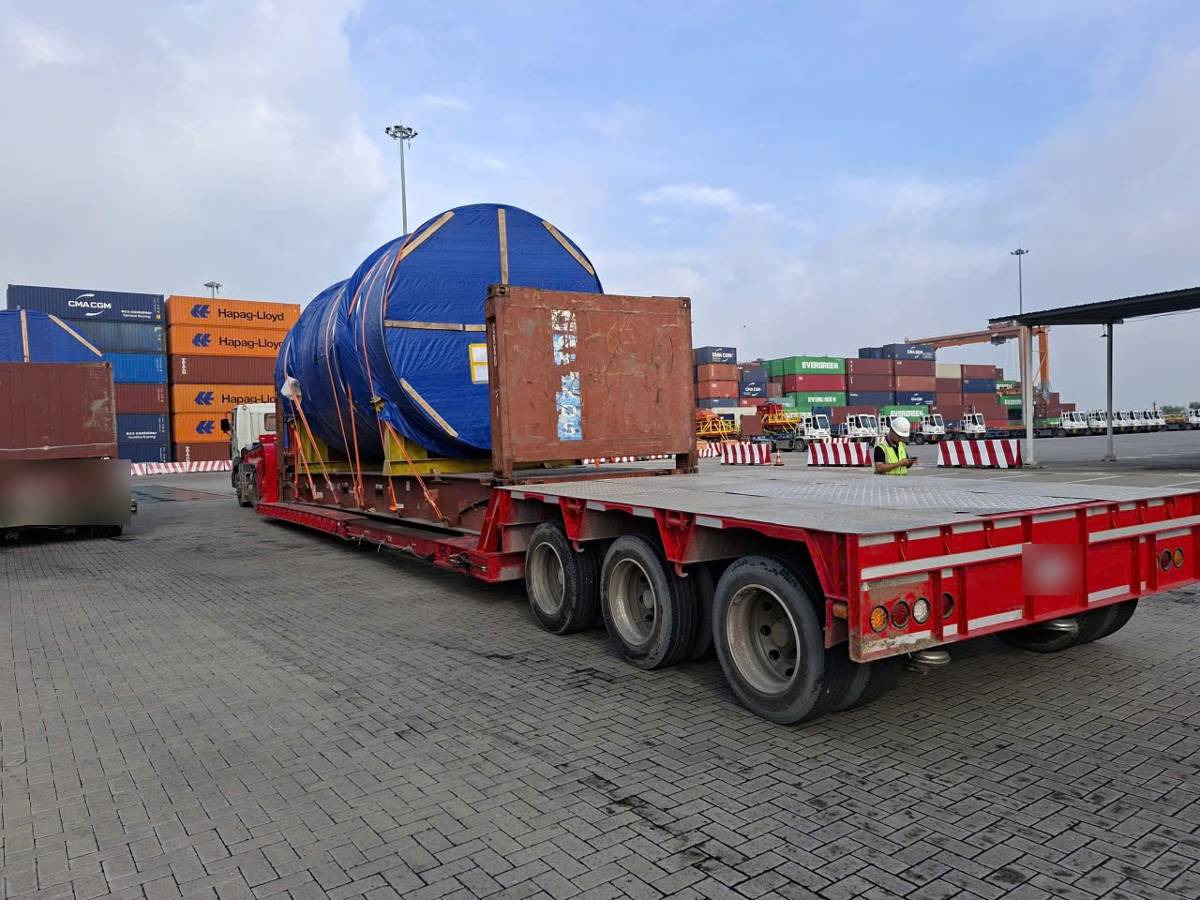
We handle the Vietnam side. The US importer and its licensed customs broker handle US entry. Three points need input from origin, so we plan them at booking.
Ocean rates on the transpacific move week to week, so we do not publish a fixed price. We quote with a validity date. What you can plan for is the structure of the bill.
A complete quote for shipping from Vietnam to USA should show each block below separately. If a rate looks low, check which blocks are missing.
| Cost block | FCL | Flat rack / open top | Breakbulk |
|---|---|---|---|
| Pick-up trucking in Vietnam | Standard container truck | Lowbed or permitted truck; permit if over 2.5 m wide | Flatbed, lowbed or multi-axle; route survey for long pieces |
| Origin local charges | THC, DOC, seal, B/L | Same, plus OOG handling at the terminal | Port and stevedoring charges per freight ton |
| Export customs | Declaration and inspection if selected | Same | Same |
| Ocean freight to the USA | Per box, plus line surcharges | Base rate plus OOG surcharge for lost slots | Per freight ton (weight or volume, whichever is higher) |
| Lashing and securing | Not usually needed | Lashing materials, labor and certificate | Lashing, dunnage and survey on board |
Line-by-line local charges for each carrier at Vietnamese ports are on our Vietnam local charges hub. US destination charges, drayage and duties come from your US partner.
Each of these has cost someone a vessel. None of them is about the ocean rate.
A short pre-shipment check with the supplier removes most of these. We do it for every OOG and breakbulk shipment we handle at origin.
Most of our partners in shipping from Vietnam to USA are forwarders who own the US customer and the destination side. We work as their origin desk.
Overseas partners can read our short partner page at projectshipping.vn/agents or download the company profile (PDF).
The import lane: ports, transit days, customs and oversized trucking for cargo from China.
China to Vietnam →Tony Tuan, CEO: WhatsApp +84 909 411 668 · ceo@projectshipping.vn
Nura Tu, Overseas Department: WhatsApp +84 906 770 650 · overseas@projectshipping.vn
Calling from Vietnam: 0909 411 668
Last updated: October 2026





© 2017 – 2026 Project Shipping. Design by Thiết kế Web DC