Guide · Import customs · Investment projects · Fixed assets
A production line that arrives before its exemption list is accepted pays full import duty, or waits in the yard while storage runs. Duty exemption Vietnam for project machinery is real money, but it only works when the list, the invoice and the cargo all say the same thing.
Written by our customs and heavy-haul desk in Ho Chi Minh City. · Skip to the 6 steps
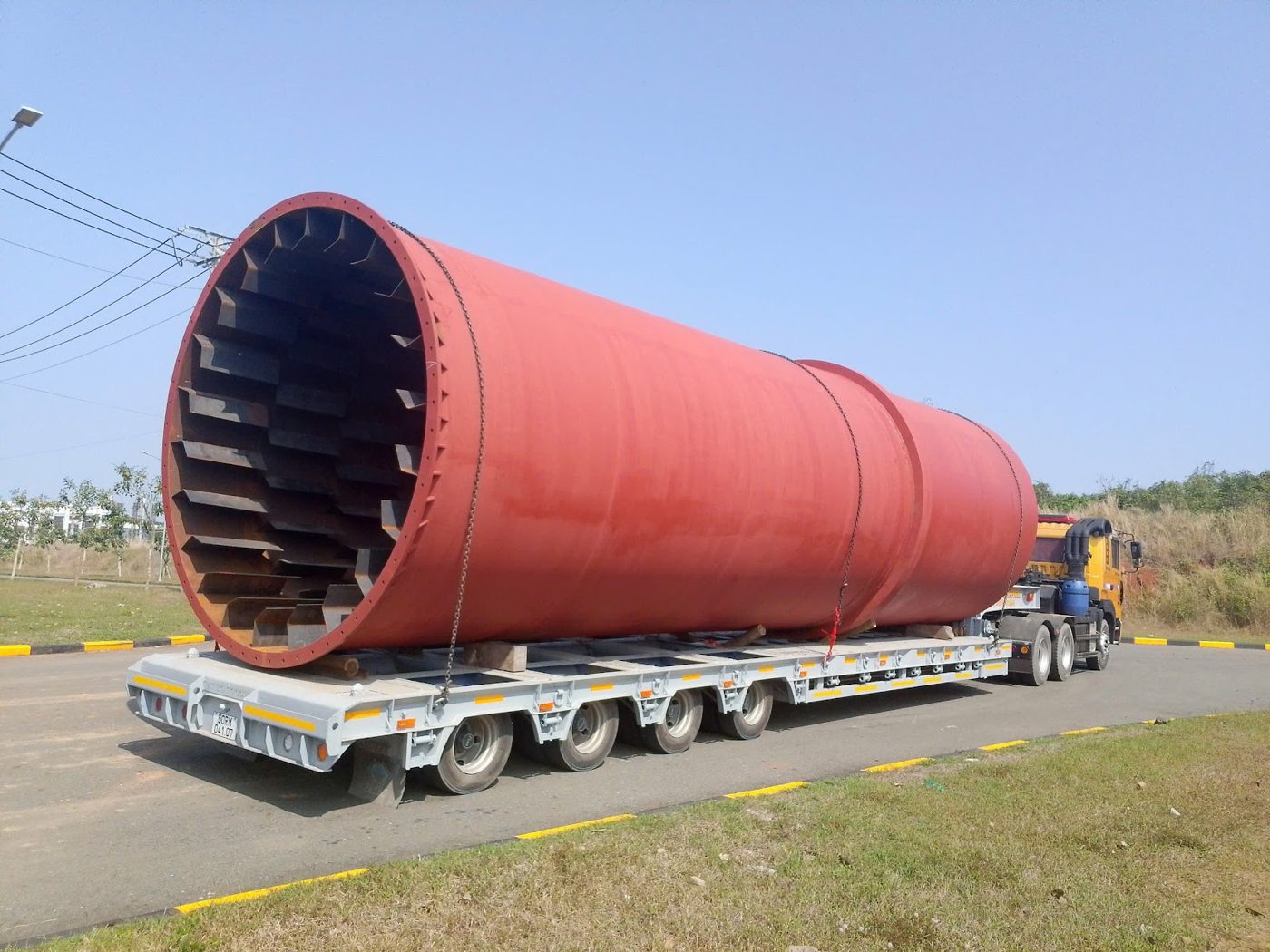
Short answer: in Vietnam, machinery, equipment, specialized vehicles and certain materials imported to form the fixed assets of a project that qualifies for investment incentives are exempt from import duty. The project owner notifies an exemption list to customs electronically before the first import. Each declaration then deducts from that list. Import VAT is a separate tax and usually still applies.
This guide is for freight agents, EPC contractors and factory owners moving project equipment into Vietnam. It follows the order our customs desk checks a duty exemption file. Below: which projects and goods qualify, the six filing steps, how split shipments eat into the list, and the five mistakes that turn an exempt shipment into a duty bill.
Project duty exemption is a relief from import duty on goods that become fixed assets of a qualifying investment project. The legal basis is Article 16 of the Law on Import and Export Duties (No. 107/2016/QH13, as amended), with detailed rules in Decree 134/2016/ND-CP and its amendments.
The idea is simple. Vietnam wants factories, power plants and infrastructure built, so it does not tax the machines that build them. The relief applies to new projects and to expansion projects, including technology replacement on an existing line.
| Item | Duty exemption for fixed assets |
|---|---|
| Tax relieved | Import duty only. Import VAT and other taxes are assessed separately |
| Who benefits | The project owner, and contractors importing goods for that project |
| Key document | The exemption list notified to customs before the first exempt import |
| How it is used | Each import declaration deducts quantities from the list |
| Main risk | Goods used for another purpose, sold or transferred must be declared again and duty paid |
The official English summary of the exemption categories is on the government’s Invest Vietnam portal. It lists the categories but not the filing practice, which is where shipments go wrong.
A project qualifies when it falls under Vietnam’s investment incentive rules. In practice, that means the project meets at least one of two tests.
Projects funded with official development assistance (ODA) are also covered by the law. The owner’s adviser confirms the exact basis for each project.
The investment registration certificate or investment approval usually states the incentives. Our first question on any duty exemption Vietnam file is simple: does the certificate actually say the project is entitled to import duty incentives? If it is silent, the owner should confirm with its legal adviser before anything ships.
Duty exemption Vietnam for fixed assets covers five groups of goods. Each item on the list must be used for the project, not for resale and not for another site.
| Group | Examples on our desk | Condition to watch |
|---|---|---|
| Machinery and equipment | Presses, kilns, dryers, compressors, transformers, CNC lines | Must form fixed assets of the project |
| Components, parts and spare parts | Parts shipped to assemble or run the machines as a set | Must match the machines on the list |
| Materials to make the above | Raw materials used to manufacture the machinery or its parts | Tied to the machines being built |
| Specialized transport | In-plant vehicles in the production line, such as specialized carriers | Must be part of the technology line, not general vehicles |
| Construction materials | Structural items for the plant | Only those not yet produced in Vietnam |
Office furniture, passenger cars and general consumables are not fixed assets of a production line, so they rarely belong on the list. Used machinery can sit on a duty exemption list too, but it must still pass Vietnam’s used-machinery rules. Our import machinery to Vietnam guide covers the age limits and proof customs ask for.
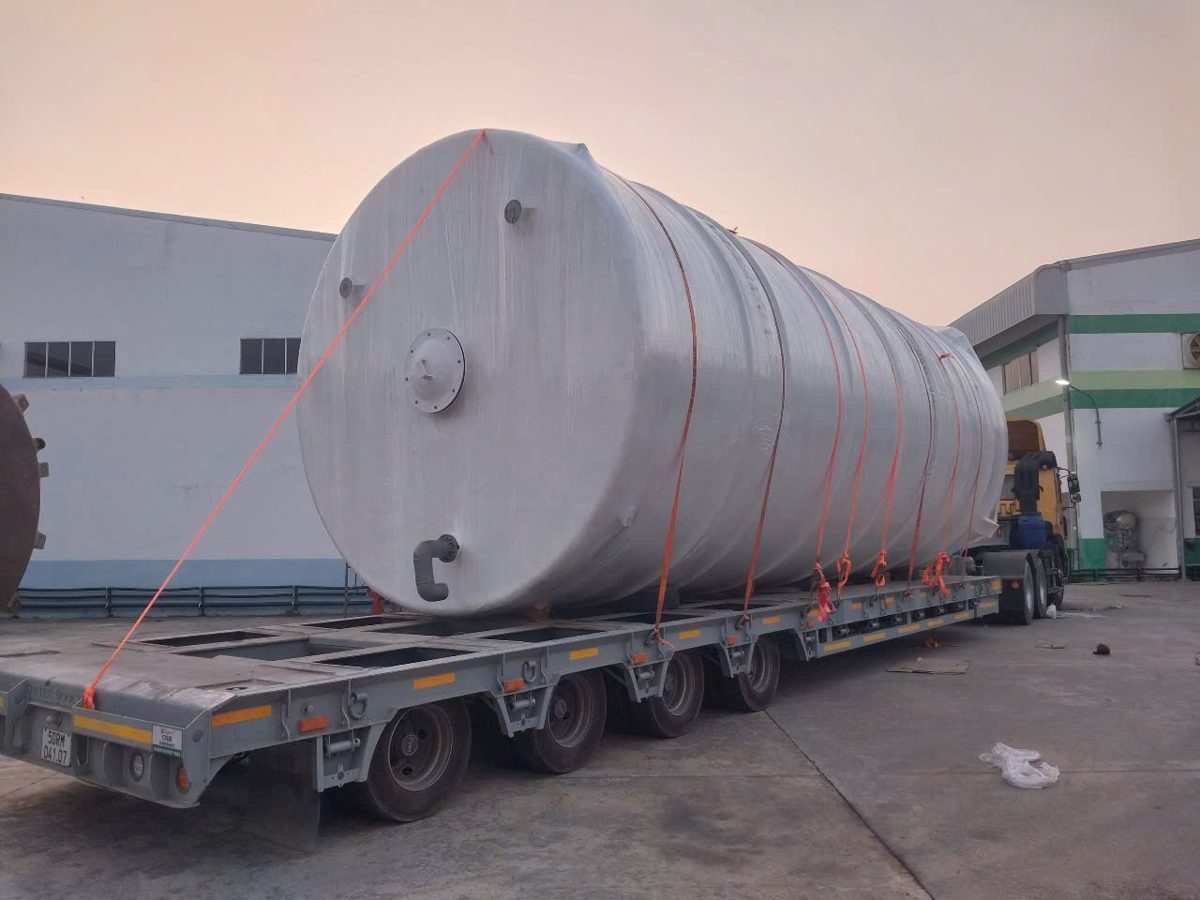
The filing sits with the project owner, but every step depends on shipping data. That is why we ask for the packing list before the list is filed, not after the vessel sails.
When customs cannot process the list electronically, a paper version with a tracking sheet is the fallback. Ask your customs agent which office receives the list for your project before you file.
The duty exemption list is the backbone of the whole process. If a line is wrong, the owner amends the list before the shipment is declared. Amending after arrival is possible, but the cargo sits at the terminal while the amendment is processed.
Customs compares the list line with the invoice, the packing list and, on a red channel, the cargo itself. The list should read like the nameplate on the machine, not like a purchase order heading.
| Field | Weak entry | Strong entry |
|---|---|---|
| Description | “Production equipment” | “Rotary dryer, 3.8 m diameter, with drive unit, model and maker as on nameplate” |
| Unit | “1 lot” | “1 set”, with the packing list showing every package of that set |
| HS code | Code for the main machine applied to all parts | Code agreed for the complete machine, plus separate lines where parts are classified alone |
| Quantity | Total for the whole project, unsplit | Quantity per line that can be deducted shipment by shipment |
| Spare parts | Left off the list | Listed with the machines they serve |
HS classification for machinery is where most lists drift. Our Vietnam HS code guide for machinery shows the 8-digit lines in Chapters 84 and 85 and how a production line is usually split.
For oversized units, add L×W×H and weight per piece and the project site.
A production line rarely arrives on one vessel. Main machines may come on flat racks, a press as breakbulk, and spare parts in dry containers weeks later. Each declaration deducts from the same duty exemption list, so the running balance matters as much as the list itself.
The example below uses round, illustrative quantities to show how the balance moves. It is not a real customer file.
| Shipment | Cargo | Deducted from list | Balance left |
|---|---|---|---|
| Lot 1 | Main machines on 40′ flat racks | Line 1: 2 of 3 sets | Line 1: 1 set |
| Lot 2 | Third machine as breakbulk | Line 1: 1 set | Line 1: 0 |
| Lot 3 | Spare parts in dry containers | Line 2: parts for all 3 sets | Line 2: 0 |
| Lot 4 | Extra parts ordered after testing | Not on the list | Duty payable, or the list is amended first |
Lot 4 is the one that hurts. It happens when commissioning reveals missing parts and the supplier ships them fast. Nobody updates the list, and the importer pays duty on parts that could have been exempt if they qualify as parts used together with the listed machines.
No. Duty exemption Vietnam rules relieve import duty, not import VAT. Most fixed-asset imports still pay import VAT at clearance, and the owner later claims it as input VAT under normal VAT rules.
VAT law has its own, different categories of imported equipment outside the scope of VAT, and they are not the same as the duty exemption list. Treat VAT as a cash-flow line in your budget unless the owner’s tax adviser confirms otherwise in writing.
| Cost line at clearance | Exempt fixed-asset shipment | Normal commercial import |
|---|---|---|
| Import duty | Exempt, deducted from the list | Payable at the HS rate or FTA rate |
| Import VAT | Usually payable, recoverable as input VAT | Payable, recoverable as input VAT |
| Customs service, D/O, terminal | Payable | Payable |
| OOG supervision, lifting, trucking | Payable | Payable |
An exemption also does not remove policy checks. If a machine needs specialized inspection or falls under used-machinery rules, that still has to be cleared. Our customs clearance Vietnam guide shows the documents, channels and timeline for machinery.
Duty exemption is conditional. The goods must stay with the project and be used for the purpose the list describes. Customs can check the project site after import, based on risk.
For logistics teams this has one practical effect. Keep the shipping file: B/L, packing list, declaration number and delivery note per lot. When customs audits the site, the owner has to show where each listed item went.
Not all project equipment becomes a fixed asset. A crawler crane, piling rig or formwork system used on site for a period and then shipped out usually fits temporary import and re-export better than a duty exemption list.
| Question | Duty exemption for fixed assets | Temporary import, re-export |
|---|---|---|
| Does the item stay in Vietnam? | Yes, it becomes a project asset | No, it leaves after the job |
| Typical cargo | Production lines, transformers, process tanks | Construction cranes, piling rigs, tools (VNACCS type code G12) |
| Key paper | Exemption list notified before first import | Contract, re-export plan and deadline |
| Exit condition | Used for the project, reported yearly | The same unit re-exported on time |
Choosing the wrong route is expensive both ways. Put a rented crane on an exemption list and it cannot leave cleanly. Declare a permanent machine as a temporary import and you end up converting it later.
The legal side decides whether duty is exempt. The shipping side decides whether the cargo leaves the terminal on time. These are the points where we see delays on exempt project cargo.
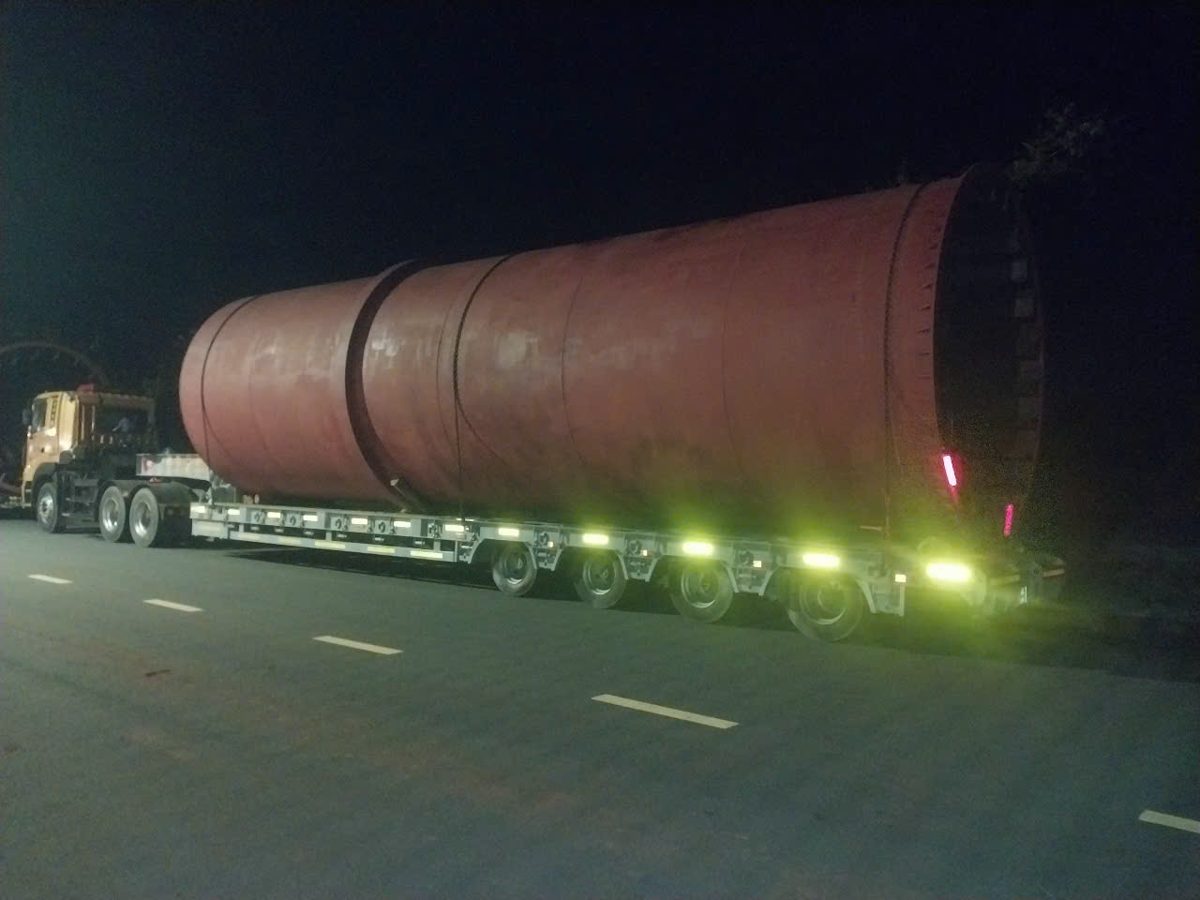
Oversized project units need road permits before they move. We hold a standing permit for cargo up to 4.5 m wide and process others in about 2 working days when the file is complete. Details are in our oversize permit guide and heavy haulage page.
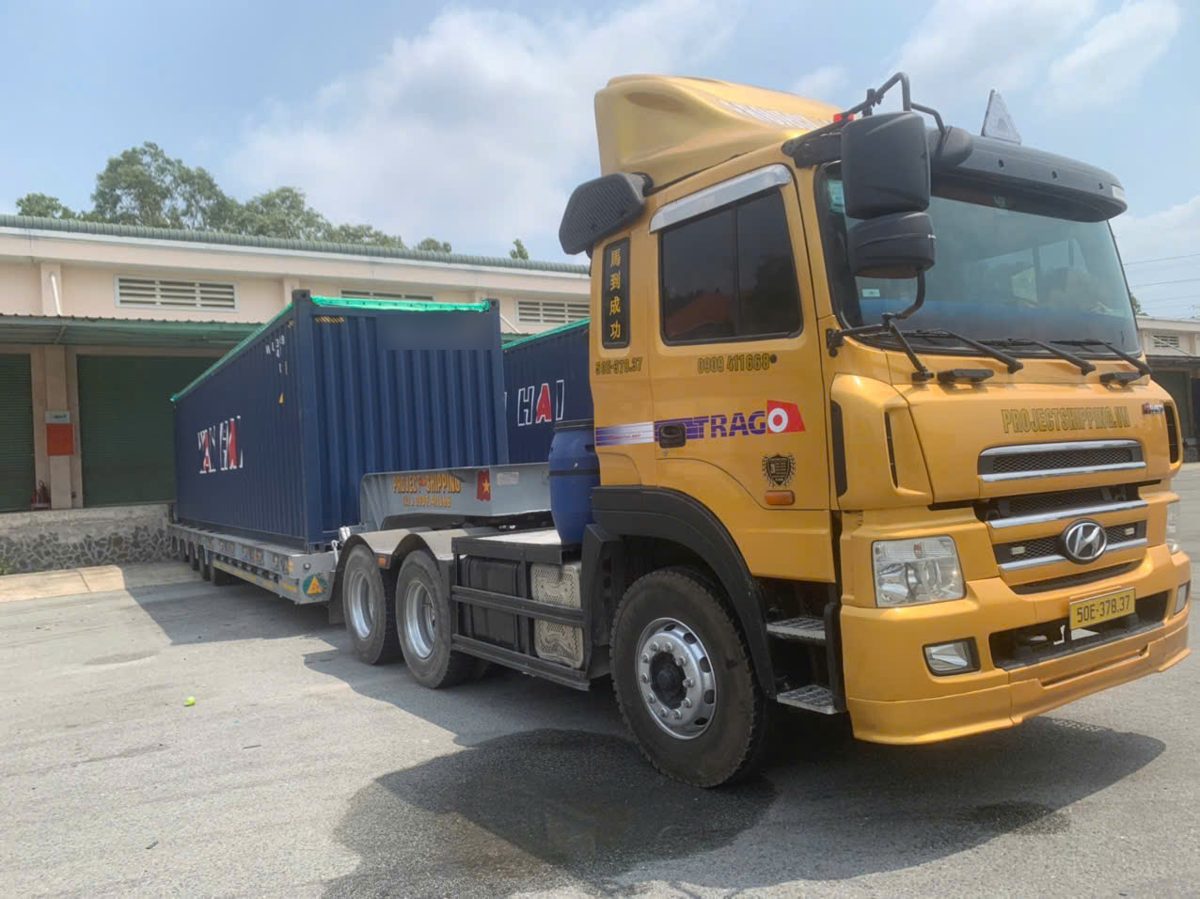
An exempt shipment is only finished when the listed machine is on the project site. In a review of 160 recent shipments where we handled customs, 153 also moved on our own trucks. Customs and heavy haulage are planned as one job.
Planning a full plant move or EPC package? Our project cargo page covers vessel-to-site planning for factories, power plants and substations.
Documents, green/yellow/red channels, timeline and costs for machinery.
Customs guide →Used-machine age limits, proof customs need, duty and VAT.
Machinery import guide →8-digit lines for Chapters 84 and 85 and common classification mistakes.
HS code guide →Tony Tuan, CEO: WhatsApp +84 909 411 668 · ceo@projectshipping.vn
Nura Tu, Overseas Department: WhatsApp +84 906 770 650 · overseas@projectshipping.vn
Calling from Vietnam: 0909 411 668
Last updated: November 2026 · Tony Tuan, CEO, Project Shipping





© 2017 – 2026 Project Shipping. Design by Thiết kế Web DC